

History of Smartphones
The smartphone has become an integral part of modern life, but its history is relatively short. The first smartphone was introduced in 1992 by IBM, but it was not until the introduction of the iPhone in 2007 that the smartphone revolution truly began. Before the smartphone, mobile phones were primarily used for making calls and sending text messages. The first mobile phone was introduced in 1973 by Motorola, but it was not until the 1990s that mobile phones became widely available. These early mobile phones were large and expensive, and they had limited functionality. The first smartphone, the IBM Simon, was introduced in 1992. It had a touch screen, a stylus, and the ability to send and receive faxes and emails. However, it was not a commercial success, and it was not until the introduction of the BlackBerry in 1999 that smartphones began to gain popularity. The BlackBerry was the first smartphone to offer email and internet access, and it quickly became popular among business professionals. However, it was not until the introduction of the iPhone in 2007 that the smartphone revolution truly began. The iPhone was a game-changer. It had a touch screen, a sleek design, and a user-friendly interface. It also had a wide range of apps, which allowed users to do everything from checking the weather to playing games. The iPhone was an instant success, and it paved the way for other smartphones, such as the Samsung Galaxy and the Google Pixel. Today, smartphones are an essential part of modern life. They are used for everything from communication to entertainment to shopping. They have also revolutionized the way we work, allowing us to stay connected to our jobs no matter where we are. However, the rise of the smartphone has not been without its drawbacks. One of the biggest concerns is the impact that smartphones have on our mental health. Studies have shown that excessive smartphone use can lead to anxiety, depression, and sleep disorders. Another concern is the impact that smartphones have on our social lives. While smartphones have made it easier to stay connected with friends and family, they have also made it easier to disconnect from the world around us. Many people now spend more time on their phones than they do interacting with the people around them. Despite these concerns, it is clear that smartphones are here to stay. They have become an essential part of modern life, and they have revolutionized the way we live, work, and communicate. As technology continues to evolve, it will be interesting to see what the future holds for the smartphone.Smartphones in Modern Life
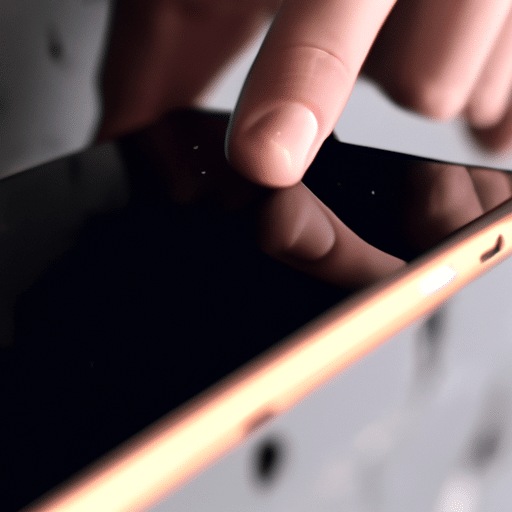 The smartphone has become an integral part of modern life. It is hard to imagine a world without these devices that have revolutionized the way we communicate, work, and entertain ourselves. However, the history of the smartphone is not as recent as one might think. The first smartphone was invented in 1992 by IBM, but it was not until the introduction of the iPhone in 2007 that the smartphone revolution truly began.
The iPhone was a game-changer. It was the first smartphone to have a touch screen and a user-friendly interface. It was also the first smartphone to have a wide range of apps that could be downloaded from the App Store. The iPhone was an instant success, and it paved the way for other smartphone manufacturers to follow suit.
Today, smartphones are more than just a luxury item. They have become a necessity for many people. Smartphones are used for everything from checking emails to paying bills, from ordering food to booking travel. They have also become a primary source of entertainment, with people using them to watch movies, play games, and listen to music.
However, the rise of smartphones has not been without its drawbacks. One of the biggest concerns is the impact they have on our mental health. Studies have shown that excessive smartphone use can lead to anxiety, depression, and sleep disorders. It can also lead to a decrease in face-to-face communication, which can have a negative impact on our social skills.
Another concern is the impact smartphones have on our physical health. The blue light emitted by smartphones can disrupt our sleep patterns, and the constant use of smartphones can lead to eye strain and neck pain. There is also the risk of addiction, with many people finding it hard to put their phones down and disconnect from the digital world.
Despite these concerns, there are also many benefits to using smartphones. They have made it easier for people to stay connected with friends and family, no matter where they are in the world. They have also made it easier for people to work remotely, which has become increasingly important in the wake of the COVID-19 pandemic. Smartphones have also made it easier for people to access information and services, which has had a positive impact on education and healthcare.
In conclusion, the smartphone revolution has had a profound impact on modern life. While there are concerns about the impact smartphones have on our mental and physical health, there are also many benefits to using these devices. As technology continues to evolve, it is likely that smartphones will become even more integrated into our daily lives. It is up to us to use them responsibly and find a balance between the benefits and drawbacks of this technology.
The smartphone has become an integral part of modern life. It is hard to imagine a world without these devices that have revolutionized the way we communicate, work, and entertain ourselves. However, the history of the smartphone is not as recent as one might think. The first smartphone was invented in 1992 by IBM, but it was not until the introduction of the iPhone in 2007 that the smartphone revolution truly began.
The iPhone was a game-changer. It was the first smartphone to have a touch screen and a user-friendly interface. It was also the first smartphone to have a wide range of apps that could be downloaded from the App Store. The iPhone was an instant success, and it paved the way for other smartphone manufacturers to follow suit.
Today, smartphones are more than just a luxury item. They have become a necessity for many people. Smartphones are used for everything from checking emails to paying bills, from ordering food to booking travel. They have also become a primary source of entertainment, with people using them to watch movies, play games, and listen to music.
However, the rise of smartphones has not been without its drawbacks. One of the biggest concerns is the impact they have on our mental health. Studies have shown that excessive smartphone use can lead to anxiety, depression, and sleep disorders. It can also lead to a decrease in face-to-face communication, which can have a negative impact on our social skills.
Another concern is the impact smartphones have on our physical health. The blue light emitted by smartphones can disrupt our sleep patterns, and the constant use of smartphones can lead to eye strain and neck pain. There is also the risk of addiction, with many people finding it hard to put their phones down and disconnect from the digital world.
Despite these concerns, there are also many benefits to using smartphones. They have made it easier for people to stay connected with friends and family, no matter where they are in the world. They have also made it easier for people to work remotely, which has become increasingly important in the wake of the COVID-19 pandemic. Smartphones have also made it easier for people to access information and services, which has had a positive impact on education and healthcare.
In conclusion, the smartphone revolution has had a profound impact on modern life. While there are concerns about the impact smartphones have on our mental and physical health, there are also many benefits to using these devices. As technology continues to evolve, it is likely that smartphones will become even more integrated into our daily lives. It is up to us to use them responsibly and find a balance between the benefits and drawbacks of this technology.


